
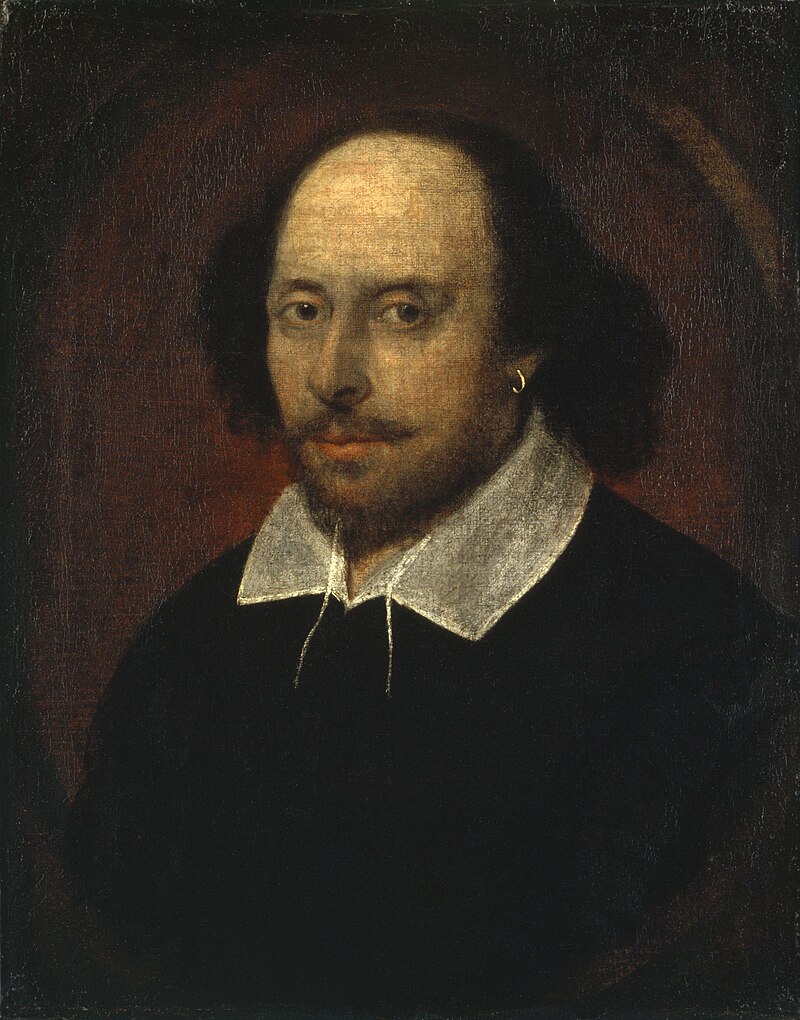
William Shakespeare
"I wasted time, and now doth time waste me; For now hath time made me his numbering clock: My thoughts are minutes; and with sighs they jar Their watches on unto mine eyes, the outward watch, Whereto my finger, like a dial's point, Is pointing still, in cleansing them from tears. Now sir, the sound that tells what hour it is Are clamorous groans, which strike upon my heart, Which is the bell: so sighs and tears and groans Show minutes, times, and hours."
589 Quotes
"I wasted time, and now doth time waste me; For now hath time made me his numbering clock: My thoughts are minutes; and with sighs they jar Their watches on unto mine eyes, the outward watch, Whereto my finger, like a dial's point, Is pointing still, in cleansing them from tears. Now sir, the sound that tells what hour it is Are clamorous groans, which strike upon my heart, Which is the bell: so sighs and tears and groans Show minutes, times, and hours."
"تَبَدَّدَ عُمْرِي، وَالْآنَ يُبَدِّدُنِي الزَّمَانُ؛ فَقَدْ صَيَّرَنِي سَاعَةً تَعُدُّ أَيَّامَهُ: أَفْكَارِي دَقَائِقُ؛ وَبِالْآهَاتِ تَتَصَادَمُ لِتُوَاصِلَ عَدَّهَا نَحْوَ عَيْنَيَّ، السَّاعَةِ الظَّاهِرَةِ، حَيْثُ إِصْبَعِي، كَعَقْرَبِ السَّاعَةِ، يُشِيرُ دَوْمًا، وَهُوَ يَمْسَحُ الدُّمُوعَ عَنْهُمَا. الْآنَ يَا سَيِّدِي، الصَّوْتُ الَّذِي يُنْبِئُ بِالسَّاعَةِ هُوَ أَنِينٌ صَاخِبٌ، يَقْرَعُ عَلَى قَلْبِي، الَّذِي هُوَ الْجَرَسُ: فَالْآهَاتُ وَالدُّمُوعُ وَالْأَنِينُ تُظْهِرُ الدَّقَائِقَ وَالْأَوْقَاتَ وَالسَّاعَاتِ."
William Shakespeare
Richard II
"Love is holy."
"الحب قدس."
William Shakespeare
All's Well That Ends Well
"Don't waste your love on somebody, who doesn't value it."
"لا تُهدِر حُبَّكَ على مَن لا يُقدِّره."
William Shakespeare
Romeo and Juliet
"The course of true love never did run smooth; But, either it was different in blood,O cross! too high to be enthrall’d to low. Or else misgraffed in respect of years, O spite! too old to be engag’d to young. Or else it stood upon the choice of friends,O hell! to choose love by another’s eye."
"إن مجرى الحب الصادق لم يجرِ قط بيسر؛ فإما كان اختلافاً في النسب، يا للأسى! رفيعٌ لا يُستعبد لدنيء. وإما كان سوء اقتران في السن، يا للحقد! مسنٌّ لا يرتبط بفتي. وإما كان رهناً باختيار الأصدقاء، يا للجحيم! أن تختار الحب بعين غيرك."
William Shakespeare
A Midsummer Night’s Dream
"Doubt thou the stars are fire;Doubt that the sun doth move;Doubt truth to be a liar;But never doubt I love."
"ارتَبْ في أن النجوم نارٌ
ارتَبْ في أن الشمس تسير
ارتَبْ في أن الصدق كذبٌ
لكن لا ترتابنّ في حبي أبدًا."
William Shakespeare
Hamlet
"Love looks not with the eyes, but with the mind; And therefore is wing'd Cupid painted blind. Nor hath love's mind of any judgment taste; Wings and no eyes figure unheedy haste: And therefore is love said to be a child, Because in choice he is so oft beguil'd."
"الحب لا يرى بالعينين، بل بالعقل؛ ولذا يُصوَّر كيوبيد المجنَّح أعمى. وليس لعقل الحب ذوقٌ في الحكم؛ فالأجنحة بلا عيون تُشير إلى التسرُّع الطائش: ولذا يُقال إن الحب طفل، لأنه في الاختيار كثيرًا ما يُخدع."
William Shakespeare
A Midsummer Night’s Dream
"Love all, trust a few,Do wrong to none: be able for thine enemy Rather in power than use; and keep thy friend Under thy own life's key: be check'd for silence,But never tax'd for speech."
"أحبب الجميع، ثق بالقليل، ولا تؤذِ أحدًا: كن قادرًا على عدوك بالقوة لا بالاستعمال؛ واجعل صديقك تحت مفتاح حياتك الخاص: فليُلام صمتك، ولا تُحاسَب أبدًا على كلامك."
William Shakespeare
All's Well That Ends Well
"O, wonder!How many goodly creatures are there here!How beauteous mankind is! O brave new world,That has such people in't!"
"يا للعجب! كم من المخلوقات الحسنة هنا! ما أجمل البشر! يا لعالم جديد شجاع، يضم أمثال هؤلاء الناس!"
William Shakespeare
The Tempest
"My mistress' eyes are nothing like the sun;Coral is far more red than her lips' red;If snow be white, why then her breasts are dun;If hairs be wires, black wires grow on her head. I have seen roses damask'd, red and white,But no such roses see I in her cheeks;And in some perfumes is there more delight Than in the breath that from my mistress reeks. I love to hear her speak, yet well I know That music hath a far more pleasing sound;I grant I never saw a goddess go;My mistress, when she walks, treads on the ground: And yet, by heaven, I think my love as rare As any she belied with false compare."
"عينا حبيبتي لا تشبهان الشمس قط؛ والمرجان أشد حمرة من حمرة شفتيها؛ وإن كان الثلج أبيض، فثدياها أدكن لوناً؛ وإن كان الشعر أسلاكاً، فأسلاك سوداء تنمو على رأسها. لقد رأيت وروداً دمشقية، حمراء وبيضاء، لكنني لا أرى مثل تلك الورود في خديها؛ وفي بعض العطور لذة تفوق ما في أنفاس حبيبتي من عبير. أحب أن أسمعها تتكلم، ومع ذلك أعلم جيداً أن للموسيقى صوتاً أبهج بكثير؛ وأقر بأنني لم أرَ إلهة تمشي قط؛ فحبيبتي، حين تسير، تطأ الأرض: ومع ذلك، أقسم بالسماء، إني لأرى حبي نادراً كأي حب زُيِّن بالمقارنات الزائفة."
William Shakespeare
Shakespeare's Sonnets
"There's an old saying that applies to me: you can't lose a game if you don't play the game. (Act 1, scene 4)"
"<thought>
The user wants an eloquent Arabic (Fusha) translation of the English quote: "There's an old saying that applies to me: you can't lose a game if you don't play the game."
I need to capture the meaning and the slightly cynical/pragmatic tone, avoiding a literal translation that might sound clunky.
Let's break down the key elements:
1. **"There's an old saying that applies to me:"**: This needs to be natural and introduce the proverb. "يُقال في المثل القديم ما ينطبق عليّ" or "ينطبق عليّ مثلٌ قديم" or "هناك مثلٌ قديمٌ ينطبق على حالي". The last one feels a bit more natural for "applies to me".
2. **"you can't lose a game if you don't play the game."**: This is the core.
* "lose a game": تخسر اللعبة / لا تخسر.
* "if you don't play the game": إن لم تلعب / إذا لم تخض غمارها.
* The repetition of "game" (لعبة) might be a bit repetitive in Arabic if translated directly. I can vary it or imply it.
* The essence is about avoiding failure by avoiding participation.
Let's try some options for the core phrase:
* "لا يمكنك أن تخسر لعبةً إن لم تلعبها." (Too literal, a bit clunky)
* "لا تخسر اللعبة من لم يخض غمارها." (More idiomatic, "غمارها" implies the struggle/depth of the game/endeavor).
* "من لم يلعب، لم يخسر." (Very concise, but might lose some of the "game" context).
* "لا خسارة لمن لم يشارك." (Too general, loses the "game" metaphor).
* "لا تخسر مباراةً إن لم تشارك فيها." (Good, but "مباراة" is specific to sports, "لعبة" is broader).
* "لا تخسر اللعبة إن لم تخضها." (Good, "تخضها" implies entering/playing it).
Combining the parts:
Option 1: "هناك مثلٌ قديمٌ ينطبق على حالي: لا تخسر اللعبة إن لم تخضها."
Option 2: "ينطبق عليّ مثلٌ قديم: من لم يلعب، لم يخسر." (A bit too short, loses some nuance)
Option 3: "يُقال في المثل القديم ما ينطبق عليّ: لا تخسر اللعبة إن لم تشارك فيها." (Good, "تشارك فيها" is clear).
Option 4: "ينطبق عليّ قولٌ مأثور: لا تخسر اللعبة إن لم تلعبها." (Still a bit literal for "تلعبها").
Option 5: "ينطبق عليّ مثلٌ قديم: لا تخسر اللعبة إن لم تخض غمارها." (This feels quite eloquent and captures the spirit of "playing the game" as an endeavor).
Let's refine Option 5.
"There's an old saying that applies to me:" -> "ينطبق عليّ مثلٌ قديم:" (This is concise and natural).
"you can't lose a game if you don't play the game." -> "لا تخسر اللعبة إن لم تخض غمارها."
"غمارها" (its depths/struggles) adds a nice literary touch, implying the full engagement required to play.
Final check:
* Eloquent Arabic (Fusha)? Yes.
* Deeper meaning preserved? Yes, the idea of avoiding loss by avoiding participation.
* Poetic tone preserved? "غمارها" helps with this.
* Not rigid, literal word-for-word? Yes, it's an adaptation.
Consider the context of "Act 1, scene 4". This suggests a theatrical context, so the language should be suitable for dialogue. "ينطبق عليّ مثلٌ قديم: لا تخسر اللعبة إن لم تخض غمارها." sounds natural and impactful for a character to say.
One more thought: "لا تخسر اللعبة إن لم تلعبها" is very direct and common. While "غمارها" is more eloquent, the original English is quite direct too. Maybe a balance is needed.
"لا تخسر اللعبة إن لم تلعبها" is simple and direct, mirroring the English.
"لا تخسر اللعبة إن لم تخضها" is also good. "تخوض" means to enter into, to undertake.
Let's compare:
1. "ينطبق عليّ مثلٌ قديم: لا تخسر اللعبة إن لم تلعبها." (Direct, clear, but maybe a bit too simple for "eloquent")
2. "ينطبق عليّ مثلٌ قديم: لا تخسر اللعبة إن لم تخضها." (Slightly more elevated than "تلعبها", "تخوض" implies more active engagement).
3. "ينطبق عليّ مثلٌ قديم: لا تخسر اللعبة إن لم تخض غمارها." (Most eloquent, but "غمارها" might be a bit much if the original is meant to be a simple, common saying).
The original is "an old saying". Old sayings are often direct.
"you can't lose a game if you don't play the game."
The repetition of "game" is part of its simple, proverbial nature.
Let's try to keep the directness while ensuring it's Fusha and eloquent enough.
"ينطبق عليّ قولٌ مأثور قديم: لا تخسر اللعبة إن لم تلعبها."
"قولٌ مأثور قديم" for "old saying".
"لا تخسر اللعبة إن لم تلعبها" is the most direct translation of the core idea. It's simple, clear, and captures the essence. It's not overly poetic, but the original isn't overly poetic either; it's a pragmatic proverb.
Let's consider "you can't lose a game" - this implies an inability.
"لا يمكنك أن تخسر لعبةً" or "لا تخسر اللعبة". The latter is more common in proverbs.
"ينطبق عليّ قولٌ مأثور قديم: لا تخسر اللعبة إن لم تلعبها."
This feels balanced. It's direct, clear, Fusha, and captures the proverbial nature.
"قولٌ مأثور" is a good translation for "saying" or "adage". "قديم" for "old".
Final check on "eloquent": Eloquence doesn't always mean complex vocabulary. It can mean clarity, conciseness, and natural flow in the target language. This version achieves that.
The repetition of "اللعبة" mirrors the English "game... game", which is part of the proverb's structure.
"إن لم تلعبها" is concise and direct for "if you don't play it".
I think this is the best balance."
William Shakespeare
Romeo & Juliet
"The evil that men do lives after them;The good is oft interred with their bones."
"إن شر ما يفعله الإنسان يبقى بعده؛ أما الخير فغالباً ما يُدفن مع عظامه."
William Shakespeare
Julius Caesar
"Go wisely and slowly. Those who rush stumble and fall."
"سر بحكمة وتأنٍ، فالمتسرعون يتعثرون ويسقطون."
William Shakespeare
Romeo and Juliet
"Sweets to the sweet, farewell! I hoped thou shouldst have been my Hamlet’s wife; I thought thy bride-bed to have decked, sweet maid, And not have strewed thy grave."
"أزهارٌ للزهرة، وداعًا! كم تمنيتُ لو كنتِ زوجةً لهاملت ابني؛ وكنتُ أحسبُ أنني سأُزَيِّنُ لكِ فراشَ العرس، يا فتاةَ الطهر، لا أن أُلقيَها على ثراكِ."
William Shakespeare
Hamlet
"Why, man, he doth bestride the narrow world Like a Colossus; and we petty men Walk under his huge legs, and peep about To find ourselves dishonourable graves."
"ألا يا صاح، إنه ليجثمُ على دنيانا الضيقةِ كعملاقٍ؛ ونحن الأقزامُ ندبُّ تحت ساقيه الهائلتين، ونُطِلُّ حولنا لنجد لأنفسنا قبوراً مهينة."
William Shakespeare
Julius Caesar
"Our revels now are ended. These our actors, As I foretold you, were all spirits and Are melted into air, into thin air: And, like the baseless fabric of this vision, The cloud-capp’d towers, the gorgeous palaces, The solemn temples, the great globe itself, Yea, all which it inherit, shall dissolve And, like this insubstantial pageant faded, Leave not a rack behind. We are such stuff As dreams are made on, and our little life Is rounded with a sleep."
"انتهت الآن احتفالاتنا. هؤلاء الممثلون، كما أنبأتكم، كانوا أرواحاً ذابت في الهواء، في الهواء الرقيق: ومثل نسيج هذا الرؤيا الذي لا أساس له، فإن الأبراج التي تعانقها السحب، والقصور الفخمة، والمعابد المهيبة، والكرة الأرضية العظيمة نفسها، بل كل ما يرثها، ستتلاشى، ومثل هذا العرض الوهمي الذي اضمحل، لن تترك وراءها أثراً. إننا من ذات المادة التي تُصنع منها الأحلام، وحياتنا الصغيرة يحيط بها نوم."
William Shakespeare
The Tempest
"O serpent heart, hid with a flowering face!Did ever dragon keep so fair a cave?Beautiful tyrant! fiend angelical!Dove-feather'd raven! wolvish-ravening lamb!Despised substance of divinest show!Just opposite to what thou justly seem'st,A damned saint, an honourable villain!O nature, what hadst thou to do in hell;When thou didst bower the spirit of a fiend In mortal paradise of such sweet flesh?Was ever book containing such vile matter So fairly bound? O that deceit should dwell In such a gorgeous palace!"
"يا قلب أفعى، توارى بجمال وجه كزهر!
هل حوى تنين قط مغارة بمثل هذا الحسن؟
أيتها الطاغية الفاتنة! أيها الشيطان الملائكي!
يا غراباً بكسوة حمامة! يا حملاً ينهش نهش الذئاب!
يا جوهراً ممقوتاً بطلعة ربانية!
يا نقيض ما تبدو عليه حقاً، قديس ملعون، وغد شريف!
أيتها الطبيعة، ما الذي أتى بك إلى الجحيم؛ حين أسكنتِ روح شيطان في فردوس بشري من هذا اللحم الفاتن؟
هل حوى كتاب قط هذا القدر من الخبث بمثل هذا التجليد الفاتن؟
آه كيف يسكن الغدر في مثل هذا القصر الشاهق الجمال!"
William Shakespeare
Romeo and Juliet
"To-morrow, and to-morrow, and to-morrow,Creeps in this petty pace from day to day,To the last syllable of recorded time;And all our yesterdays have lighted fools The way to dusty death. Out, out, brief candle!Life's but a walking shadow, a poor player,That struts and frets his hour upon the stage,And then is heard no more. It is a tale Told by an idiot, full of sound and fury,Signifying nothing."
"الغد، فالغد، فالغد، يزحف بخطاه الوئيدة من يوم إلى يوم، حتى آخر حرفٍ من سجل الزمان. وكلُّ أمسياتنا أضاءت للحمقى دربهم إلى الموت الترابي. اخمدي، اخمدي أيتها الشمعة الوجيزة! الحياة ليست سوى خيالٍ سائر، ممثلٍ بائس، يتبختر ويضطرب ساعته على المسرح، ثم لا يُسمع له حسٌّ بعد ذلك. إنها حكايةٌ يرويها أبله، مليئةٌ بالصخب والغضب، لا تعني شيئًا."
William Shakespeare
Macbeth
"How far that little candle throws his beams! So shines a good deed in a weary world."
"تلك الشمعة الصغيرة، ما أبعد مدى نورها! وهكذا تتلألأ الحسنة في عالم أضناه التعب."
William Shakespeare
The Merchant of Venice
"Under the greenwood tree,Who loves to lie with me And tune his merry note,Unto the sweet bird's throat;Come hither, come hither, come hither. Here shall he see No enemy But winter and rough weather."
"تحت شجر الغاب الأخضر،
من يهوى أن يرقد معي،
ويشدو نغمته المرحة،
محاكياً حنجرة الطير العذب؛
هلمّ، هلمّ، هلمّ.
هنا لن يرى
عدواً له
سوى الشتاء والطقس القاسي."
William Shakespeare
As You Like It
"And this our life, exempt from public haunt, finds tongues in trees, books in the running brooks, sermons in stones, and good in everything. I would not change it."
"وحياتنا هذه، بمنأى عن صخب العامة، تجد في الأشجار ألسنة، وفي الجداول الجارية كتبًا، وفي الصخور عظات، وفي كل شيء خيرًا. وما كنت لأبدلها."
William Shakespeare
As You Like It
✉️
Get more quotes like William Shakespeare's — every morning.
Join thousands of wisdom seekers getting daily quotes from 300,000+ curated sources.
Free forever. No spam. Unsubscribe anytime.
🎉 Check your inbox to confirm your subscription!